Food Banks vs. Medically-Tailored Cancer Nutrition Programs: What Maine Patients Need to Know
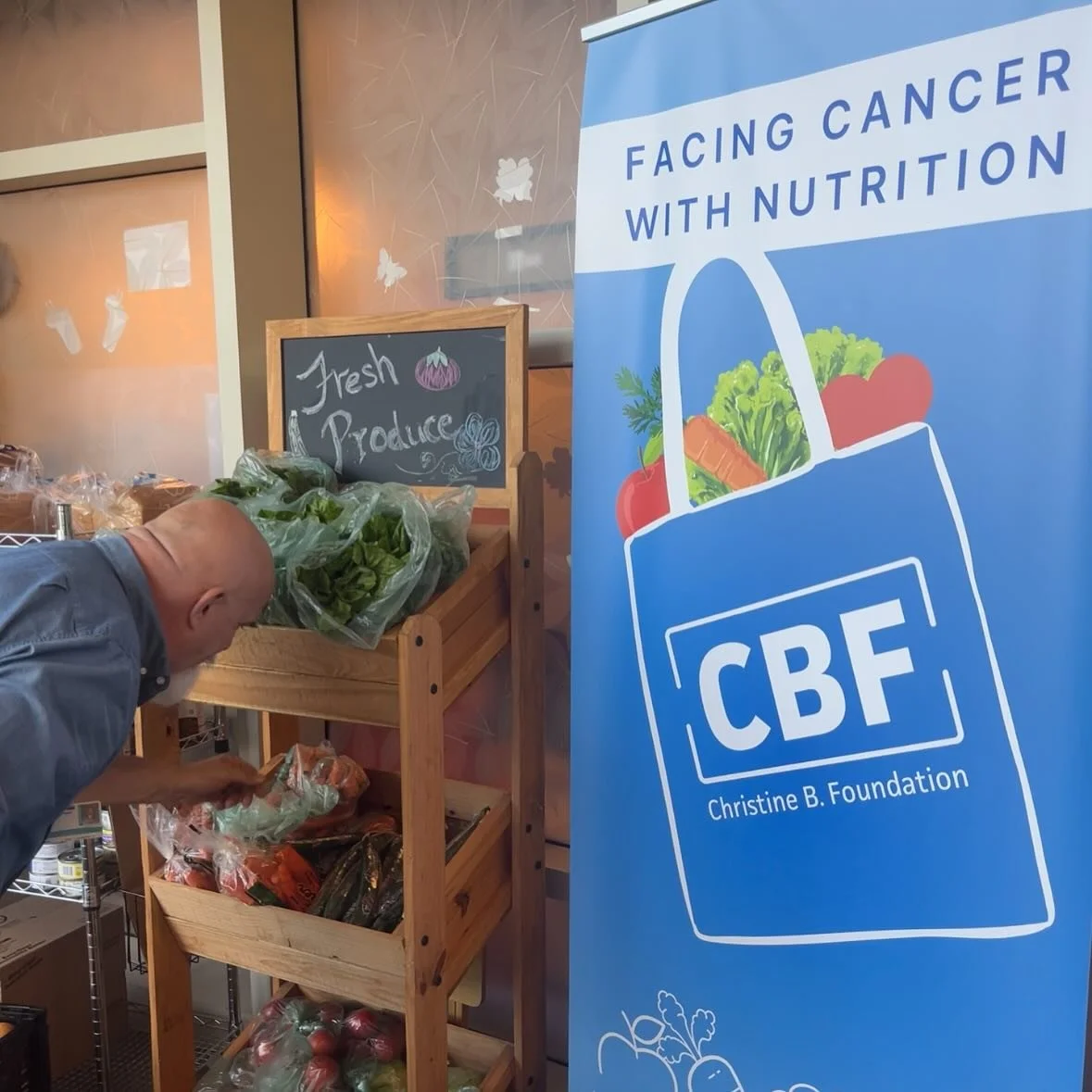
CBF Program Coordinator, Brian Ross, stocking nutrition site at Northern Light Cancer Care (Brewer, ME)
When you're facing cancer treatment, the last thing you should worry about is where your next nutritious meal will come from. Unfortunately, food insecurity affects up to 40% of cancer patients nationwide, and families in the Bangor area are no exception. The good news? You have options for nutritional support that go far beyond traditional food banks.
We understand that navigating food assistance during cancer treatment can feel overwhelming. That's why we're breaking down the key differences between general food pantries and cancer-specific nutrition programs available right here in Bangor: so you can make informed decisions about the support that's right for your situation.
Understanding Cancer-Specific Nutrition Support
Cancer treatment creates unique nutritional challenges that general food assistance often can't address. Side effects like nausea, changes in taste, mouth sores, and digestive issues require specialized approaches to eating and meal planning.

Christine B. Foundation: Tailored Nutrition Services for Cancer Patients
The Christine B. Foundation operates the region's only cancer-specific nutrition assistance program, designed specifically for patients in active treatment or entering survivorship. Unlike traditional food banks that provide whatever donations come in, we build medically-tailored grocery packages around each patient's specific dietary needs and treatment side effects.
Our program recognizes that cancer patients often face what we call the "perfect storm": simultaneous financial strain from medical bills and increased nutritional needs when their bodies are fighting the hardest battle of their lives. That's why we meet patients on their first day of treatment and stay with them throughout their journey.
What Makes Our Approach Different:
Fresh, whole foods focus: We prioritize produce, lean proteins, whole grains, and other nutrient-dense options over shelf-stable processed foods
Individual dietary customization: Packages are built around food preferences, treatment side effects, and specific nutritional needs
Professional nutrition counseling: Registered dietitians and CBF staff work one-on-one with patients to address challenges like managing nausea, boosting immune function, and navigating food aversions
Extended support timeline: Patients can receive weekly grocery packages for up to 6 months, with ongoing needs assessed case-by-case
Accessing CBF Services in Bangor
Getting connected with our nutrition support is straightforward. Bangor-area patients can access our services at Northern Light Cancer Care every Monday and Wednesday from 12:00-3:00 PM: no appointment necessary.
Can't make it during those hours? Ask your oncology team for a referral or call us directly at (207) 573-9026. All services are provided at zero cost to patients: 100% funded by community volunteers, individual donors, and grants.
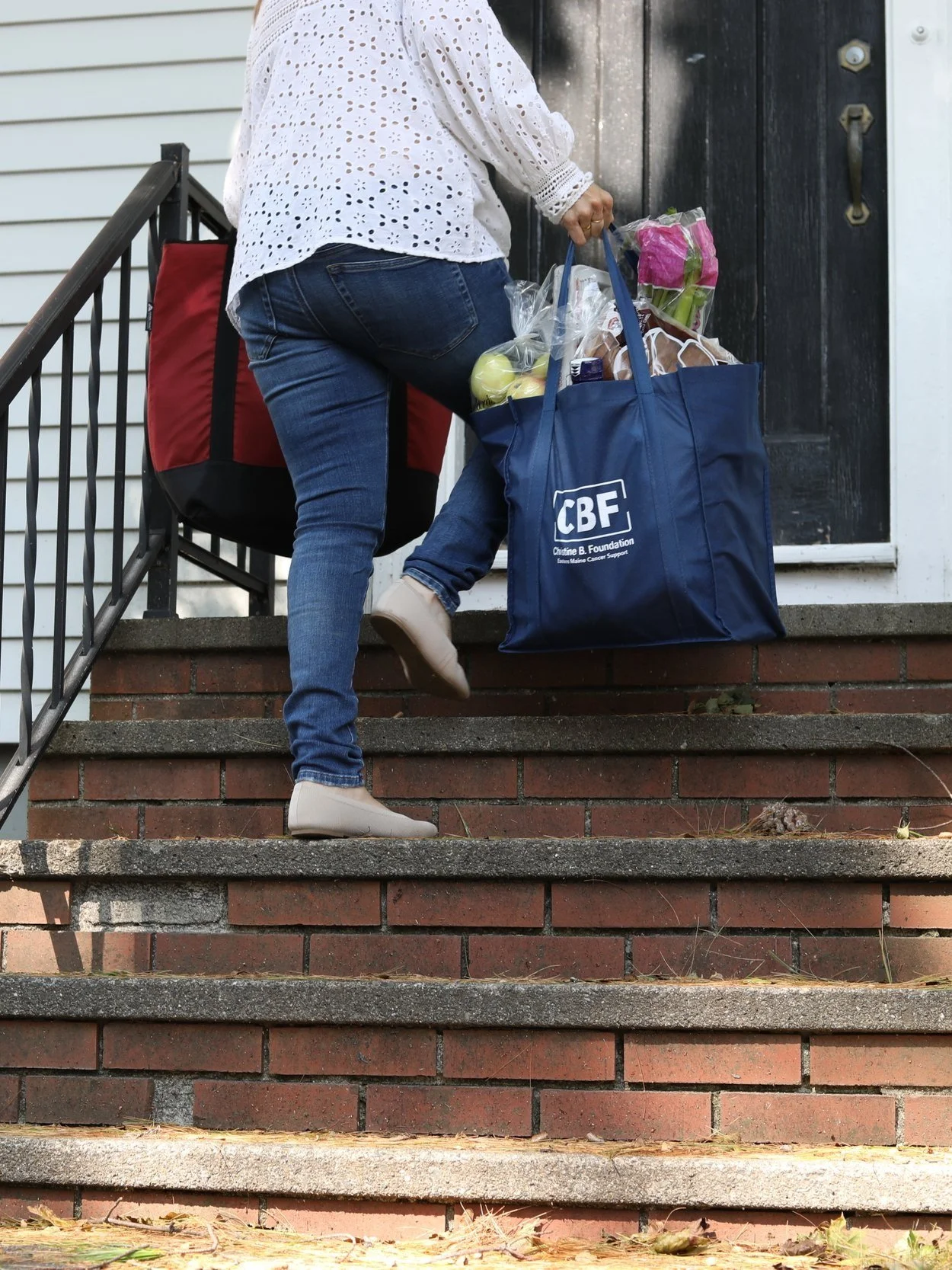
CBF Volunteer delivering a medically-tailored grocery package to a patients front door.
General Food Pantries: Broader Community Support
While cancer-specific programs address unique treatment-related needs, general food pantries serve as important safety nets for anyone experiencing food insecurity in our community.
How General Pantries Work
Unlike cancer-specific programs, general food pantries:
Serve anyone experiencing food insecurity, regardless of medical status
Provide standard inventory based on available donations
Focus on addressing immediate hunger rather than specific nutritional needs
Don't typically include nutrition counseling or dietary customization
Side-by-Side Comparison: Making the Right Choice
Understanding the key differences between these programs helps you access the most appropriate support for your situation:
Eligibility Requirements:
CBF: Cancer diagnosis, active treatment, or entering survivorship
General Pantries: Any individual or family experiencing food insecurity
Types of Food Provided:
CBF: Fresh produce, lean proteins, whole grains, shelf stable items, suppliements, and more: selected based on nutritional needs and treatment considerations
General Pantries: Primarily shelf-stable items like canned goods, pasta, rice, and occasional fresh donations
Customization Level:
CBF: Highly personalized based on dietary restrictions, cultural preferences, and treatment side effects
General Pantries: Standard offerings based on available inventory
Additional Services:
CBF: One-on-one dietitian consultations, meal planning support, cooking tips for managing side effects
General Pantries: Often food distribution only (no nutritional counseling)
Duration of Support:
CBF: Support available every week, up to 6 months with ongoing assessment
General Pantries: Weekly to monthly support available, ongoing visits as needed
When to Choose Which Program
Choose cancer-specific nutrition support (CBF) if you:
Have a cancer diagnosis and are in treatment or survivorship
Experience treatment-related eating challenges (nausea, taste changes, low appetite)
Need help managing cancer-related fatigue through nutrition
Want professional guidance on eating during treatment
Prefer fresh, whole foods over processed options
Choose general food pantries if you:
Need immediate food assistance regardless of medical status
Are supporting a household member who isn't receiving cancer treatment
Want to supplement other food assistance programs
Need shelf-stable items for emergency food security
Many families use both types of support: there's no restriction against accessing multiple programs simultaneously.
Getting Screened and Connected
Food insecurity screening is now standard practice across many hospital outpatient clinics, meaning your healthcare providers are trained to identify when patients need nutritional support and connect them with appropriate resources in real-time.
Don't wait for your care team to ask: if you're experiencing food insecurity or have concerns about eating during treatment, bring it up at your next appointment. Healthcare providers can:
Complete food insecurity assessments
Provide referrals to appropriate programs
Connect you with on-site resources immediately
Help coordinate multiple types of support if needed
The Bottom Line: You Don't Have to Choose
The reality is that many cancer patients benefit from multiple types of food assistance. CBF's specialized support addresses the unique challenges of eating during treatment, while general food pantries can help with broader household food security needs.
Take action today:
For cancer-specific support: Call CBF at (207) 573-9026 or visit our nutrition program page for detailed information
For general food assistance: Contact your healthcare team about pantry access
Not sure what you need? Start by discussing food security with your care team: they can help you navigate all available options
Remember, accessing food assistance isn't a sign of failure: it's a practical step toward maintaining your health and energy during one of life's most challenging experiences. We're here to support you every step of the way, because when you don't have to worry about your next meal, you can focus your energy on healing.
Since March 2020, the Christine B. Foundation has provided over 700,000 medically-tailored meals to cancer patients throughout Maine. In 2024 alone, we supported 1,500 individuals: and that number continues to grow as we expand our reach throughout eastern Maine.