Facing Cancer in Rural Maine: Nutrition Access and Human Connection
When cancer strikes in rural Maine, the challenges run deeper than the diagnosis itself. In Washington and Piscataquis counties, for example, families face a perfect storm of obstacles that can make an already difficult journey feel impossible: higher cancer rates, limited healthcare access, food insecurity, geographic isolation, and economic hardship that cancer only makes worse.
But here's what we know from a decade of serving these communities: the right nutrition support at the right time can transform both health outcomes and hope.
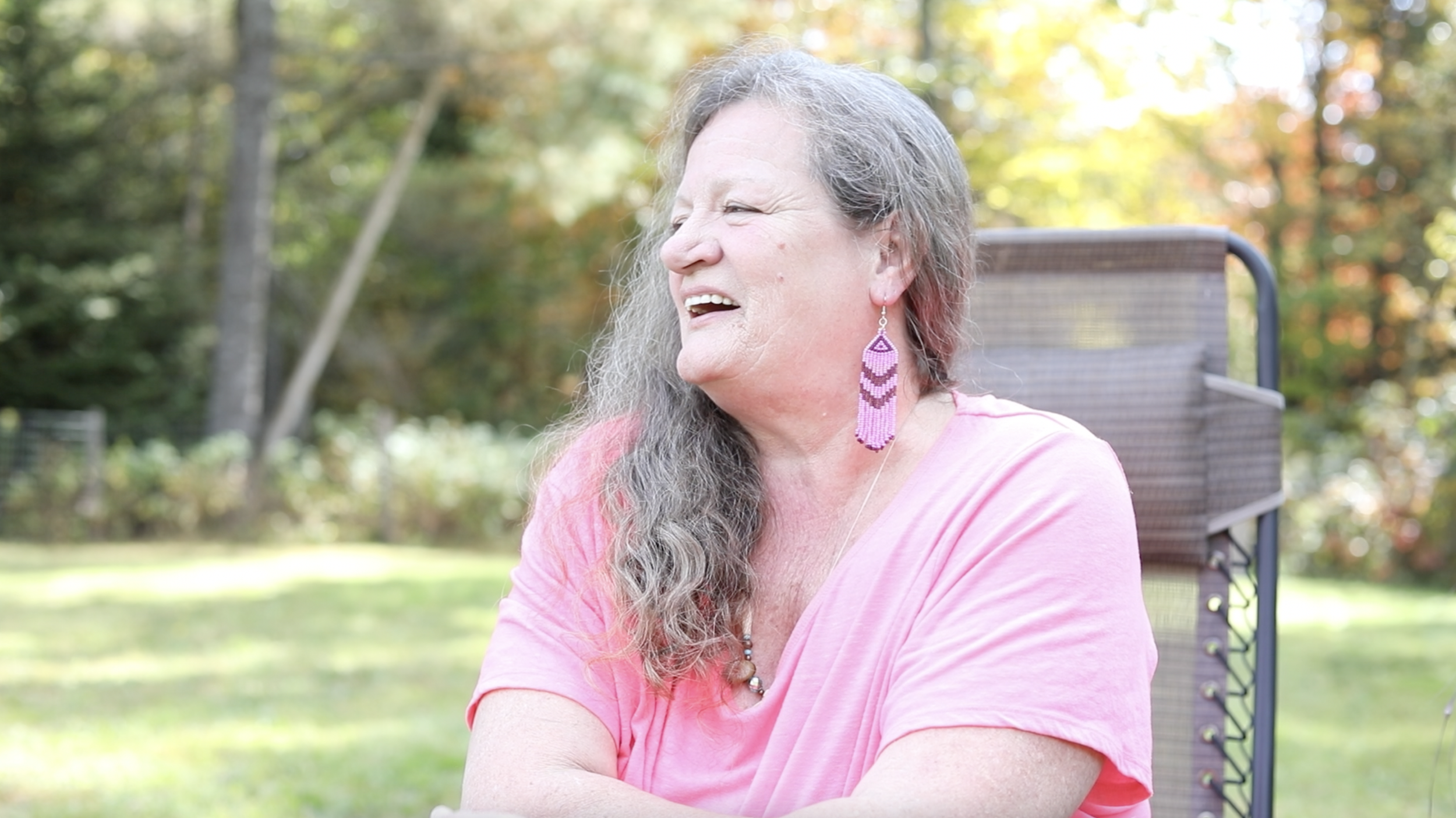
CBF service recipient, Ellie, sharing her lived experience with cancer. Her full video is here.
The Reality of Rural Cancer Care in Washington and Piscataquis Counties
Let's start with the numbers that keep us focused on this work. Washington County has the highest cancer mortality rate in Maine, and both counties face challenges that urban areas simply don't experience.
When you're dealing with cancer in Machias or Dover-Foxcroft, your nearest oncologist might be hours away. That means treatment days become full-day affairs: or multi-day trips when weather doesn't cooperate. Nearly 30% of cancer patients in rural Maine report delaying or skipping treatments due to transportation barriers, according to the Maine Cancer Registry.
But transportation is just the beginning. Food insecurity affects 48% of households in eastern Maine, and that percentage jumps dramatically when cancer enters the picture. Treatment side effects make eating difficult. Medical bills pile up. Work becomes impossible. Suddenly, choosing between rent and groceries isn't theoretical: it's this week's impossible decision.
Why Nutrition Matters More Than You Might Think
We've learned something crucial over our years of service: nutrition isn't just about feeling better during treatment: it's about surviving it.
Research shows that cancer patients who maintain proper nutrition have 25% better treatment outcomes and significantly lower rates of treatment complications. But here's the catch: up to 80% of cancer patients experience malnutrition at some point during their journey.
In rural Maine, this isn't just a medical issue: it's a survival issue. When your immune system is already compromised by chemotherapy, and the nearest hospital is an hour away, proper nutrition becomes the difference between weathering treatment at home and facing emergency complications.
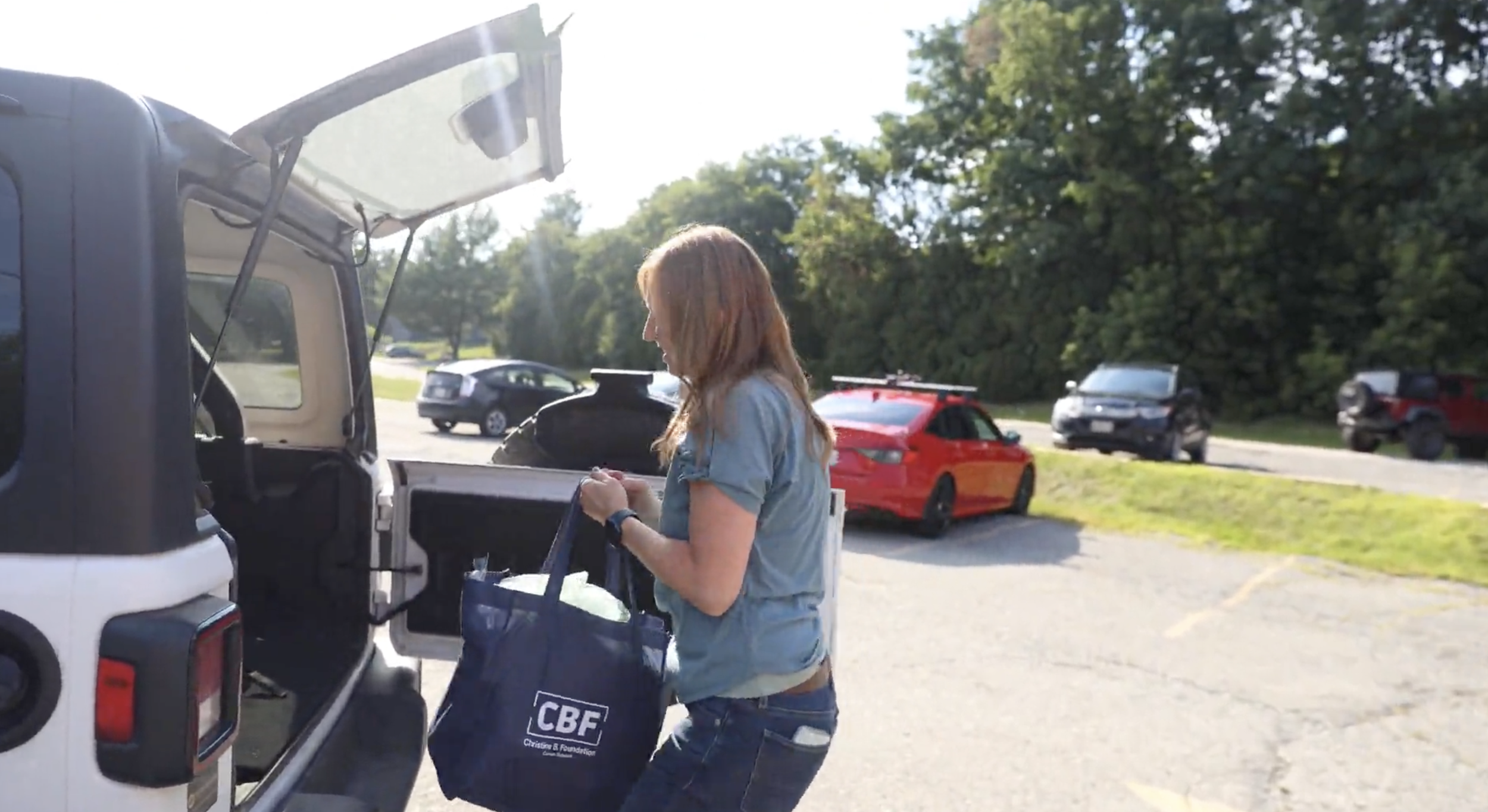
Michelle Allen, CBF volunteer driver and board member, loading her car with a CBF medically-tailored grocery package.
How Medically-Tailored Nutrition Changes Everything
This is where Christine B. Foundation steps in with an approach that's both evidence-based and deeply human. Our medically-tailored nutrition program isn't just food delivery: it's clinical nutrition support designed specifically for cancer patients' changing needs.
Every week, we serve over 250 Mainers with grocery packages, produce prescriptions, and oncology dietitian services that address the specific nutritional challenges cancer presents. That's more than 750,000 equivalent meals we've provided since launching this program, but the real impact goes far beyond the numbers.
Here's how our approach works:
Medically-Tailored Means Clinically Informed
Working with registered dietitians and oncology nutritionists, we ensure every package contains foods that support treatment tolerance, immune function, and energy maintenance. High-protein options for patients losing weight. Gentle, easy-to-digest foods for those struggling with nausea. Anti-inflammatory ingredients that actually help the body heal.
Local Sourcing Means Fresh Support
We partner with Maine farms and food producers whenever possible, ensuring families receive fresh, high-quality nutrition while supporting the local economy that sustains these rural communities.
Regular Delivery Means Reliable Support
In areas where the nearest grocery store might be 30 miles away, and a treatment day wipes out your energy for a week, knowing nutritious food will arrive reliably removes one massive source of stress.
The Human Connection That Heals
But perhaps the most important thing we've learned is this: the food is medicine, but the connection is healing.
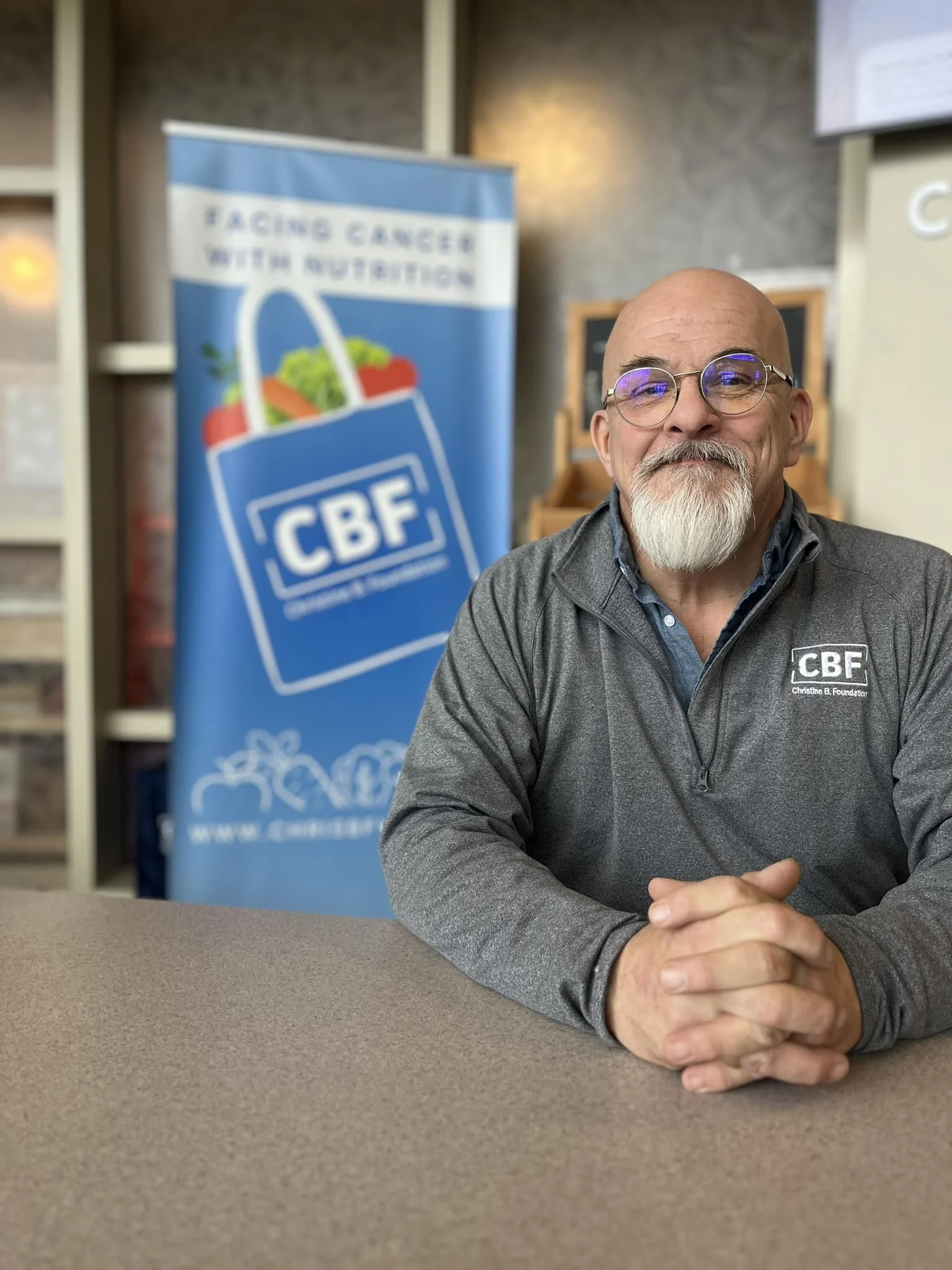
Program coordinator, Brian Ross, at CBF’s nutrition pick up site at Northern Light Cancer Care in Brewer.
In rural communities where cancer can feel isolating: where neighbors might not know what to say, where support groups are hours away: our program creates a lifeline of connection. Every delivery comes with resources, encouragement, and the knowledge that you're not fighting this alone.
Our team regularly checks in with families, connecting them to additional resources, helping navigate insurance challenges, and simply listening when the weight of treatment feels overwhelming. Research shows that social support systems improve cancer survival rates by up to 25%: and in rural Maine, we often become that crucial support system.
Breaking Down Barriers to Access
We know that asking for help can feel difficult, especially in communities that value self-reliance. That's why we've designed our program to be as accessible and judgment-free as possible:
No Income Requirements
Cancer affects families at every economic level, and treatment costs can devastate even well-prepared households. Our services are available to any cancer patient in our service area, regardless of income or insurance status.
No Geographic Limitations Within Our Service Area
Whether you're in downtown Bangor or a remote corner of Washington County, if you're in our service region, we'll find a way to get support to you.
Flexible Delivery Options
We work with each family to find delivery solutions that work: whether that's home delivery, pickup points, or coordination with local healthcare providers.
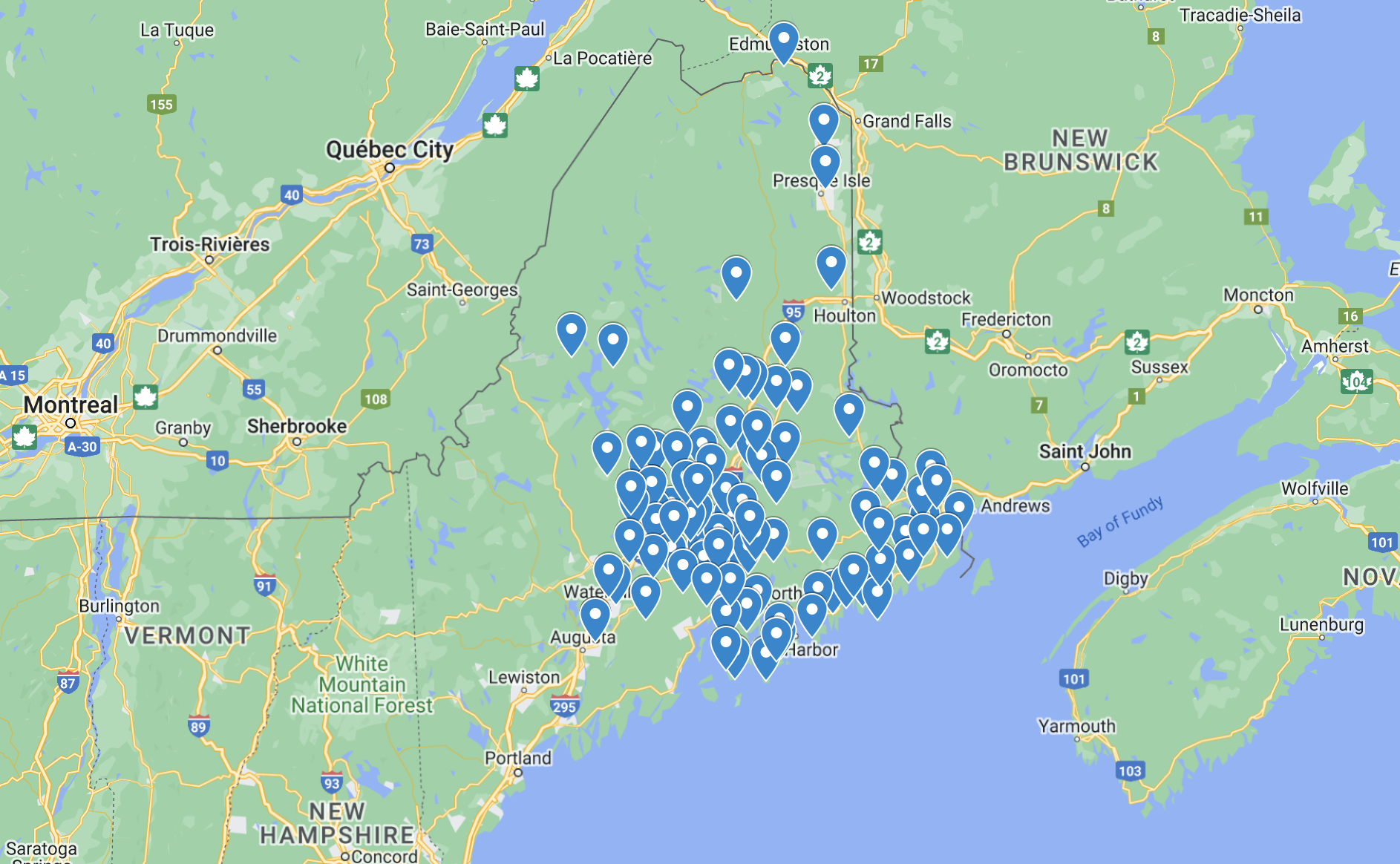
A map of Maine covered in pin, each representing a town where CBF services reached.
Getting Connected to Support
If you or someone you love is facing cancer in Washington or Piscataquis County, connecting with support doesn't have to be complicated. Here's how to get started:
Contact Us Directly
Call us at our main number (207) 573-9026 to speak with someone who understands what you're going through. We'll listen to your specific situation and help determine what support makes sense for your family.
Also, visit our nutrition pick-up site at Northern Light Cancer Care in Brewer. No appointment is needed. Hours may change, but are Monday and Wednesday from 12-3 p.m.
Ask Your Healthcare Team
Many local providers are familiar with our services and can help facilitate a referral. Don't hesitate to ask your oncologist, nurse navigator, or social worker about nutrition support options.
Connect Through Our Community Partners
We work closely with organizations throughout both counties, including healthcare systems, social services, and community groups. If you're already connected with local support, ask them about Christine B. Foundation services.
Looking Forward Together
Every week, we see the difference that proper nutrition and human connection make in cancer outcomes. We see families who thought they were out of options find new strength. We see patients complete treatments they weren't sure they could handle. We see communities come together to support neighbors facing their darkest hours.
Research continues to validate what we see daily: nutrition intervention during cancer treatment isn't optional: it's essential. And in rural communities where traditional support systems may be limited, programs like ours become even more critical.
But here's what gives us the most hope: every family we support becomes part of a growing network of survivors who understand that cancer doesn't have to be a journey you face alone.
If you're reading this because cancer has touched your family, know that support exists. Know that there are people who understand. And know that asking for help isn't giving up: it's giving yourself every possible advantage in the fight ahead.
The journey may be challenging, but you don't have to travel it alone. Let's take the next steps together.
To learn more about our nutrition support services or to get connected with resources in Washington and Piscataquis counties, visit our support page or contact our team directly. Because in rural Maine, when cancer strikes, community responds.